If you love the idea of grabbing coffee, walking to a park, and ending the day with dinner or a local event without constantly getting in the car, Historic Norcross stands out. This part of Norcross offers a more pedestrian-friendly lifestyle than many suburban areas around Metro Atlanta, while still feeling like a real, lived-in town center. In this guide, you’ll get a practical look at what a day in Historic Norcross can feel like, what kinds of homes you may find nearby, and what tradeoffs to keep in mind if walkability is high on your wish list. Let’s dive in.
Why Historic Norcross Feels Walkable
Historic Norcross dates back to 1870, when it became the second city in Gwinnett County. The city describes downtown as an authentic Southern town with roots going back more than 100 years, shaped by tree-lined sidewalks and restored historic buildings.
What makes the area feel different is that the historic district is not just a short row of shops. City design standards say the district includes the historic commercial section along with nearby stable residential neighborhoods, which helps create a true town-center feel instead of a visitor-only destination.
That broader layout matters if you are thinking about day-to-day living. In practical terms, it means some homes sit close enough to downtown that coffee, dining, parks, and local events can feel like part of your weekly routine.
A Realistic Day in Historic Norcross
Start with coffee and breakfast
A typical morning in Historic Norcross can begin with a short walk into downtown for coffee or breakfast. The city highlights local spots such as 45 South Café and Refuge Coffee Co., along with a wide mix of restaurants and casual dining options nearby.
Because the downtown commercial area is compact, your morning does not have to stop at one errand. You can grab a drink, walk the sidewalks, and take in the historic setting without needing to plan a full driving route around town.
Run everyday errands nearby
One reason Historic Norcross appeals to buyers is that downtown supports more than leisure plans. The city notes that the area includes health and wellness businesses such as yoga studios, hair salons, and dental offices, which adds practical daily-use value to the district.
That changes the feel of the neighborhood. Instead of functioning only as a place to visit on weekends, downtown can serve as a regular part of your week for routine stops and quick appointments.
Add lunch, shopping, or a sweet treat
By midday, you have plenty of options within the same general area. The city’s dining page lists choices including Bleu House, B&W Burger, Dominick’s Italian Restaurant, Iron Horse Tavern, Mojitos Cuban Bistro, Savage Pizza, Zapata Tacos and Tequila Bar, Cultivation Brewery, Social Fox Brewing, and Butter & Cream.
The shopping mix also supports a walkable afternoon. Downtown Norcross includes antiques, boutique apparel, original artwork, custom jewelry, galleries, and home and garden goods, so it is realistic to pair lunch with browsing nearby shops.
Parks That Extend the Lifestyle
Thrasher Park and Lillian Webb Park
Walkability in Historic Norcross is not just about storefronts. The city says Thrasher Park is within walking distance of downtown merchants and serves as a central place for activities and events.
Lillian Webb Park adds another layer to the experience with open green space, a three-tier fountain, and a splash pad. If you want a neighborhood where public outdoor space is part of the daily rhythm, these parks are a major piece of the appeal.
Betty Mauldin Park and green space
Betty Mauldin Park offers a quieter park setting and is home to the Champion American Elm. The city also promotes it as a shaded photo spot, which fits the overall character of Historic Norcross as a place where green space and historic charm work together.
For buyers, that park access can shape how the area lives day to day. A walkable district tends to feel more useful when you can move easily between dining, services, and open space.
Evening Plans Without Leaving Downtown
Arts and entertainment
Historic Norcross stays active after work hours. The city highlights arts destinations such as Lionheart Theatre, Norcross Gallery & Studios, The Rectory, and the Cultural Arts & Community Center.
That community center hosts recurring programming including First Friday Concerts and Movie Mondays. Public art also adds to the atmosphere through Skin Alley and the city’s Free Little Art Galleries.
Seasonal events and community activity
The city calendar reinforces the idea that downtown is more than a pretty backdrop. Official event listings include gatherings such as Red, White & Boom at Lillian Webb Park, the Bluesberry Beer & Music Festival, Galentine’s Boutique Crawl, Witches Night Out, Santa Visits Downtown, Historic Norcross Christmas Village, and holiday carriage rides.
If you are drawn to neighborhoods with regular public activity, that event pattern can be a real plus. It can also affect parking, traffic flow, and street access on certain days, which is worth keeping in mind if you plan to live close to the center of it all.
What Homes Near Historic Norcross Can Look Like
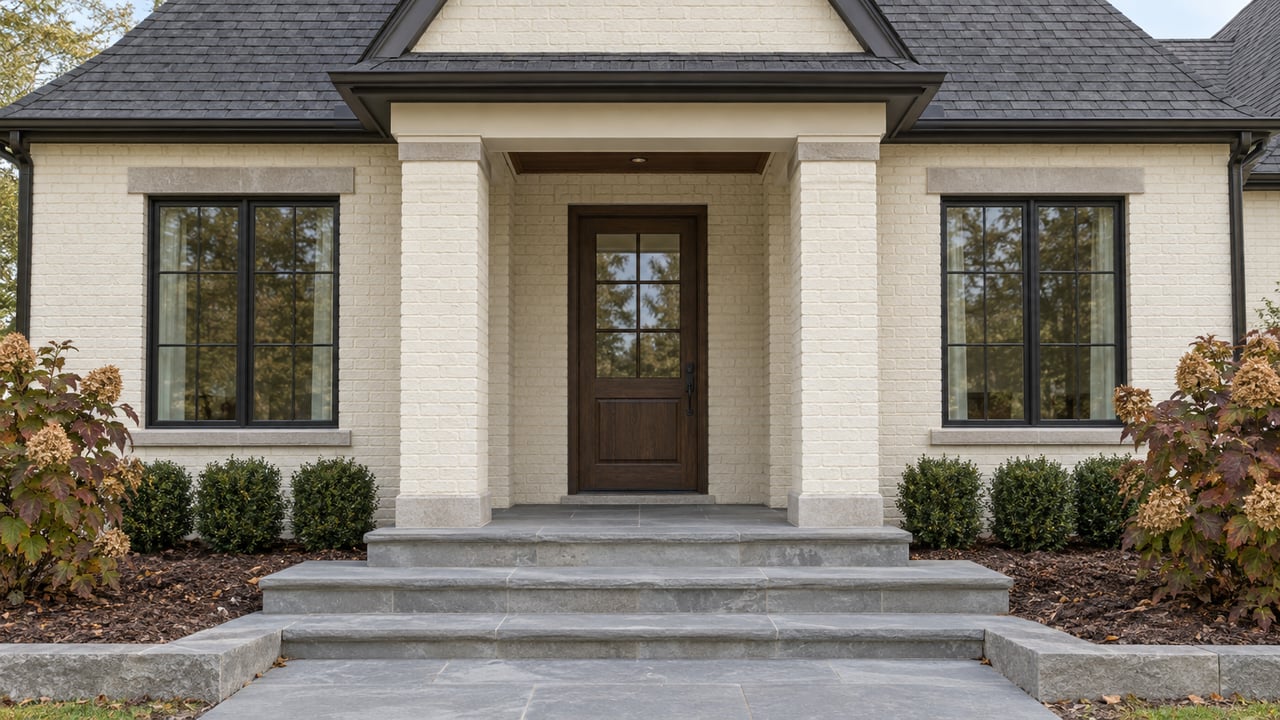
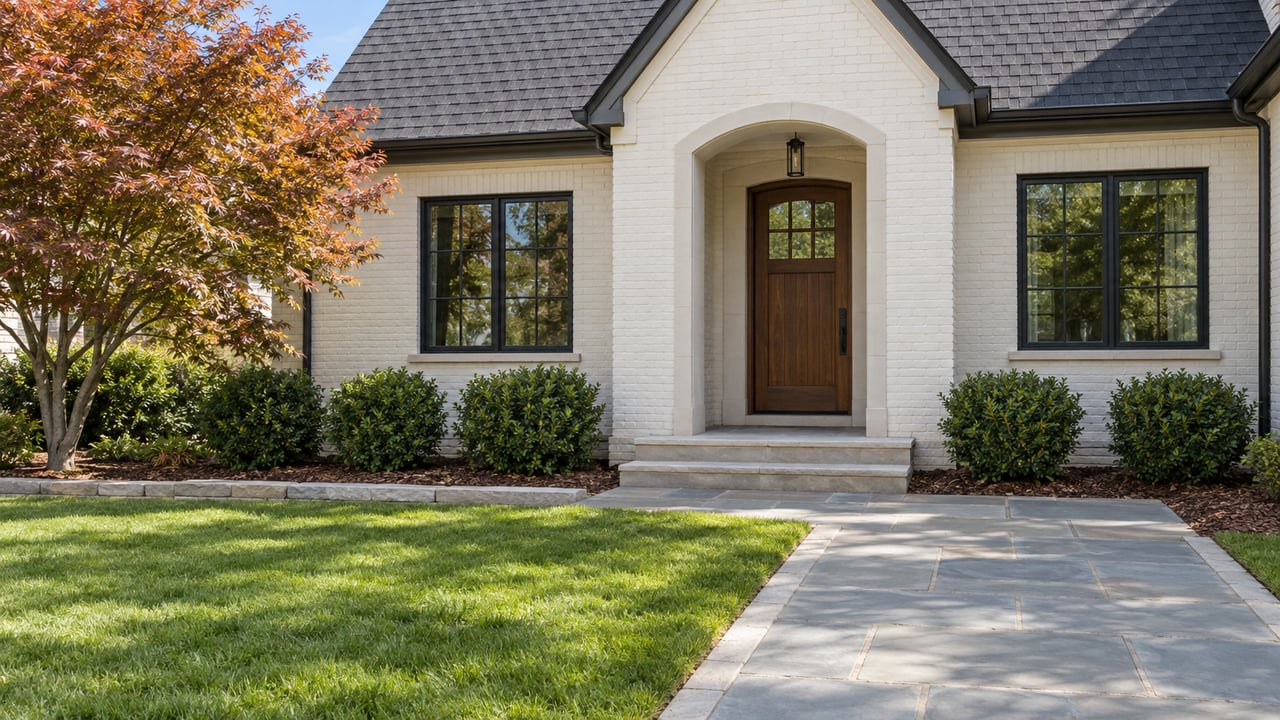
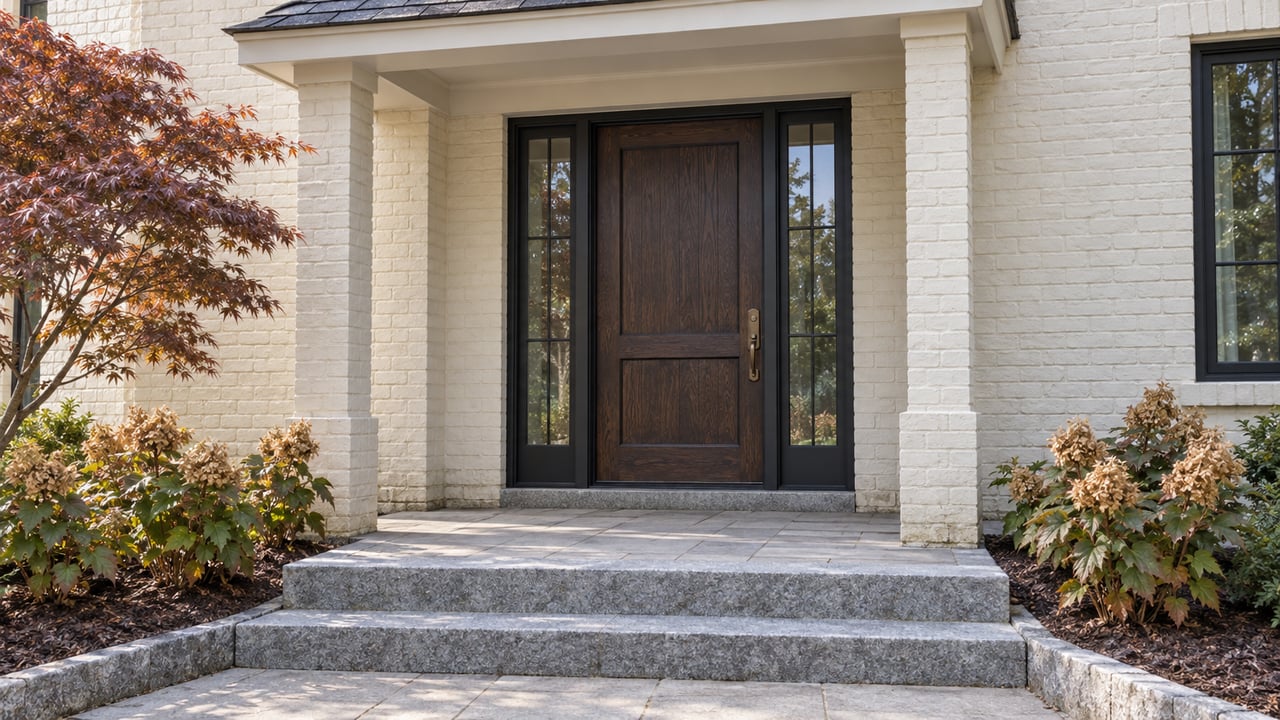
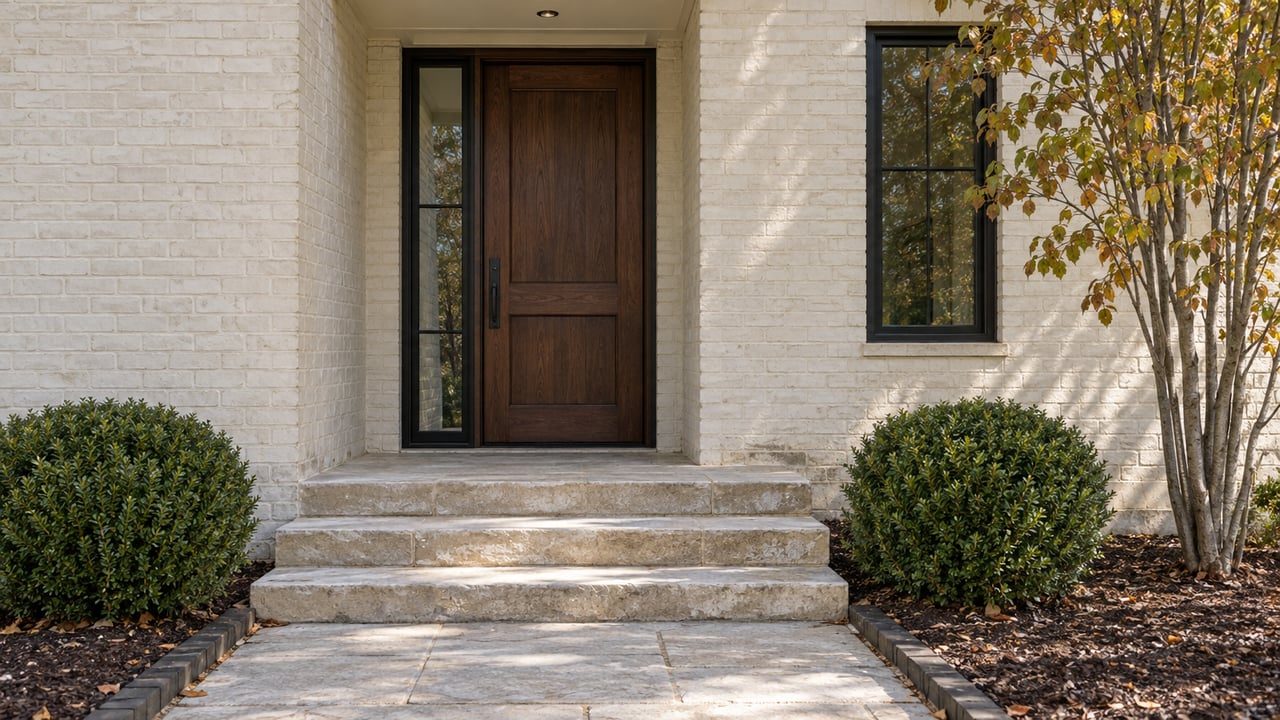
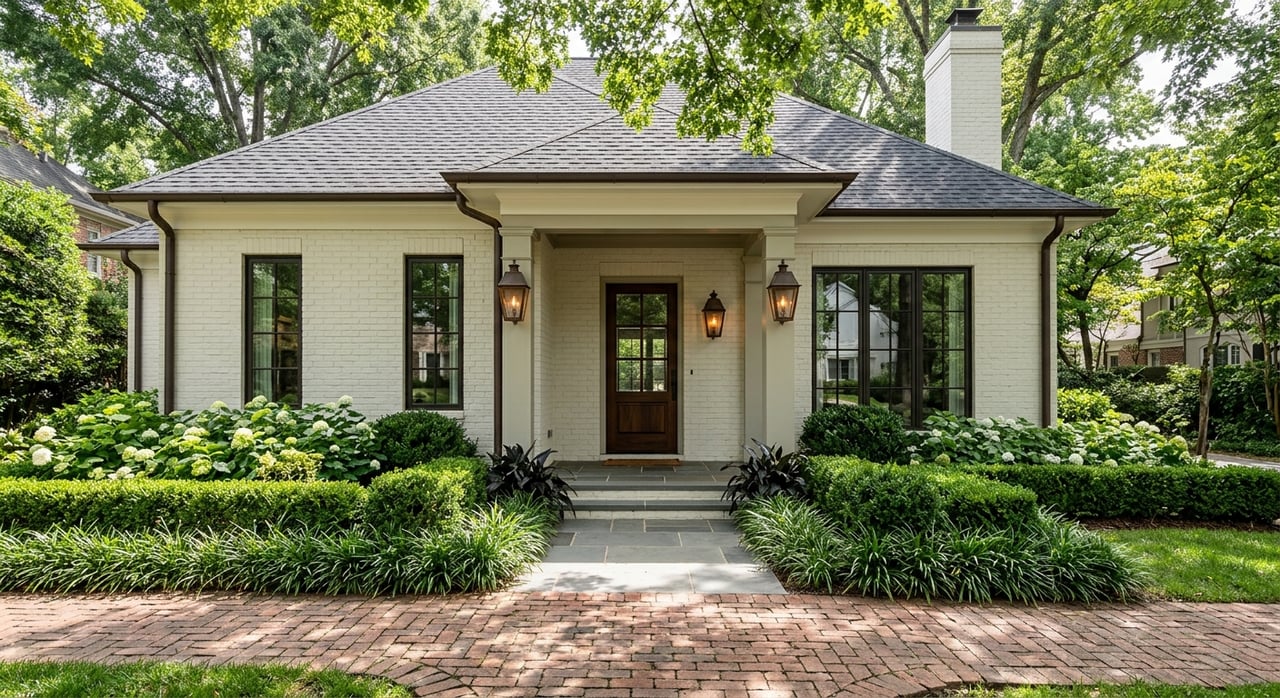
Historic Norcross is not frozen in time. City planning and design documents show a mix that includes older homes near the core, small-home and cottage-style infill near downtown, and newer multifamily development in the broader city.
That variety can be helpful if you want walkable access but do not necessarily want the same home style as every other buyer. Some properties near the historic core may offer more architectural character and smaller lots, while areas farther out tend to feel more suburban and car-oriented.
The city also notes that more than 1,200 new multifamily units and neighborhood developments have been added in recent years. That points to a broader housing spectrum around Norcross, rather than a single historic-home-only experience.
Convenience Beyond the Sidewalks
Even in a walkable district, driving still matters in daily life. Norcross says public parking is available at City Hall and through a parking deck at The Brunswick complex, with access to nearby shops, restaurants, Lillian Webb Park, and the Norcross branch of the Gwinnett County Public Library.
The city also describes Norcross as about 25 minutes from the heart of Atlanta and notes that I-85 forms one boundary of the city. For many buyers, that creates an appealing middle ground: a historic, pedestrian-oriented core with access to larger regional job centers and suburban destinations.
Transportation improvements also support the long-term walkable vision. The city highlights a downtown sharrow loop, a 10-foot multi-use path, Complete Streets measures, and Safe Routes to School investments.
Tradeoffs to Know Before You Buy
Historic charm often comes with extra rules and a little less flexibility. In Norcross, the Historic Preservation Commission reviews applications for certificates of appropriateness and administers the city’s historic design standards.
That can matter if you plan to make exterior changes to a property in the historic district. The city also requires permits for tree removal when a tree is 6 inches or greater in diameter, which is another practical factor for homeowners to understand.
Events can also affect daily logistics. Street closures and parking restrictions may occur during downtown events, so the same activity that gives Historic Norcross energy can occasionally add inconvenience.
Is Historic Norcross Right for You?
If you want a neighborhood where you can mix coffee runs, park visits, local dining, and evening events into your routine, Historic Norcross offers a lifestyle that is hard to find in many suburban settings. Its combination of historic buildings, nearby residential streets, public parks, and arts programming creates a more connected day-to-day experience than a typical drive-everywhere suburb.
At the same time, the best fit depends on what you value most. If character, proximity, and a pedestrian-friendly setting matter more to you than larger lots or a fully car-free lifestyle, Historic Norcross may be worth a close look.
If you are thinking about buying or selling near Historic Norcross, working with an agent who understands how lifestyle, housing mix, and neighborhood positioning affect value can make a real difference. For personalized guidance in Norcross and across northern Metro Atlanta, connect with Jamie Mock.
FAQs
What makes Historic Norcross walkable for everyday living?
- Historic Norcross combines a compact downtown, nearby residential streets, parks within walking distance, and a mix of restaurants, shops, and daily-use businesses such as salons, yoga studios, and dental offices.
What kinds of homes are near Historic Norcross?
- Housing near Historic Norcross can include older character homes near the core, small-home and cottage-style infill, and newer multifamily options in the broader city.
What parks are near downtown Norcross?
- The city highlights Thrasher Park, Lillian Webb Park, and Betty Mauldin Park as key green spaces connected to the downtown experience.
What should buyers know about owning in Historic Norcross?
- Buyers should understand that historic design standards may affect exterior changes, tree removal can require permits, and downtown events may sometimes bring street closures or parking restrictions.
Is Historic Norcross convenient for commuting?
- Norcross says the city is about 25 minutes from the heart of Atlanta, with I-85 forming one boundary of the city, which helps balance local walkability with regional access.