Wondering what it’s really like to live in Sugar Hill? If you want a place that feels active, connected, and easy to enjoy day to day, Sugar Hill stands out in north Gwinnett. From a busy downtown district to green space, trails, and access to major roads, this city offers a lifestyle that feels both practical and fun. Let’s dive in.
Why Sugar Hill draws attention
Sugar Hill combines suburban convenience with a surprisingly active downtown core. The city had an estimated population of 29,280 in 2025, with a median household income of $107,389 and an owner-occupied housing rate of 79.9%. Those numbers point to a market where many residents put down roots and stay.
Location also plays a big role in Sugar Hill’s appeal. The city sits in the northwest corner of Gwinnett County, about 37 miles from Downtown Atlanta and less than 10 miles from Lake Lanier. Peachtree Industrial Boulevard runs north to south, and Highway 20 cuts east to west through downtown, giving you direct access to key routes in the area.
Downtown Sugar Hill feels like a true hub
One of the biggest surprises for many buyers is how much everyday activity is packed into downtown Sugar Hill. The core centers around The Bowl, the E Center, the Eagle Theatre, Splash Park, the Promenade, and the Sugar Hill Art Gallery & History Museum. The city describes this area as a walkable mix of restaurants, shops, public art, and entertainment.
That walkable setup matters because it creates a stronger sense of daily rhythm. Instead of a downtown that only feels busy during special events, Sugar Hill has places people use throughout the week. The free art gallery and history museum, nearby dining, and public gathering spaces all help make downtown feel like a real destination.
The E Center adds daily convenience
The E Center gives downtown Sugar Hill more than just event energy. It includes a community gym, indoor track, and small businesses such as a coffee house, bakery, ice cream shop, and brewery. That mix helps make downtown useful on an ordinary Tuesday, not just on a festival weekend.
For buyers who want a suburb with more built-in activity, this is a meaningful advantage. You can work out, grab coffee, meet friends, or spend time nearby without driving all over town. That kind of convenience can shape how a place feels to live in every day.
The Bowl anchors entertainment
The Bowl is one of Sugar Hill’s best-known gathering spots. It sits close to the rest of downtown, and patrons are allowed to bring food and drinks into the venue. Public parking is spread across streets, decks, and lots around downtown, which helps support event traffic.
This venue gives the city a strong entertainment identity. Concerts, community events, and public programming bring energy into the downtown district and make it easier to imagine an active social calendar close to home.
The SHINE District makes downtown distinctive
Sugar Hill’s SHINE District is another feature that helps downtown stand out. The district includes the E Center, The Bowl, and Splash Park, and it allows alcoholic beverages to be carried in approved to-go cups within the district. That creates a more flexible, event-friendly downtown experience.
For residents, this supports a more relaxed, connected atmosphere during downtown outings. It is one more sign that Sugar Hill has put real thought into how people use public spaces and how those spaces work together.
Events keep the city active
A strong event calendar can shape how connected a city feels, and Sugar Hill has built that into its identity. Annual programming includes Sugar Hill Live On Stage concerts, Splash Night, $2 Tuesdays at the Eagle Theatre, a holiday ice rink celebration, Sparks in the Park, Sugar Rush Arts Festival, Movie Under The Stars, Sugar Hill Live, Trick or Treat on West Broad St., and Broad St. Film Fest.
That variety means there is activity across seasons, not just during summer. For buyers comparing north Metro Atlanta suburbs, this kind of recurring programming can make Sugar Hill feel more lively and more memorable than a typical bedroom community.
Parks and trails support everyday life
If outdoor access matters to you, Sugar Hill offers more than just a few scattered parks. The Sugar Hill Greenway is one of the city’s major quality-of-life features. Five miles of the planned 16.5-mile trail are open, and the paved path is intended for pedestrians, bicyclists, wheelchair users, joggers, and other non-motorized users.
The long-term vision is important here. The Greenway is meant to connect downtown to neighborhoods, schools, and parks, which adds practical value along with recreation. As it continues to expand, it can strengthen how residents move through the city and enjoy local amenities.
Pirkle Park offers major recreation space
Gary Pirkle Park is the city’s largest active-recreation park in the materials reviewed. It spans 67 acres and includes six synthetic turf fields, a large playground under a solar-powered pavilion, 1.7 miles of paved and lighted walking trails, picnic pavilions, grandstands, restrooms, benches, and a community garden.
For many households, that means you do not have to leave the city to find meaningful recreation space. Whether you want walking trails, open-air gathering areas, or organized sports facilities, Pirkle Park adds a lot to Sugar Hill’s everyday livability.
Splash Park boosts warm-weather fun
Splash Park and the Dawn P. Gober Community Plaza add another layer to downtown life. Splash Park sits behind City Hall and just above The Bowl, while the plaza is designed for seating, turf, and fountain choreography. The city also notes that Splash Night draws residents, visitors, food trucks, artists, and musicians into the space.
This gives downtown Sugar Hill a more playful, all-ages feel during warmer months. It also reinforces the city’s focus on creating public spaces that are used often and enjoyed by a wide range of residents and visitors.
Lake Lanier is close by
Sugar Hill also benefits from its proximity to Lake Lanier. The city’s housing study places Sugar Hill less than 10 miles from the lake, which is a major recreation asset in the region. Don Carter State Park on Lake Lanier includes a beach and boat ramps.
That nearby access matters if you enjoy weekends on the water or want outdoor options beyond city parks and trails. Living in Sugar Hill can put both downtown entertainment and regional recreation within easy reach.
What housing looks like in Sugar Hill
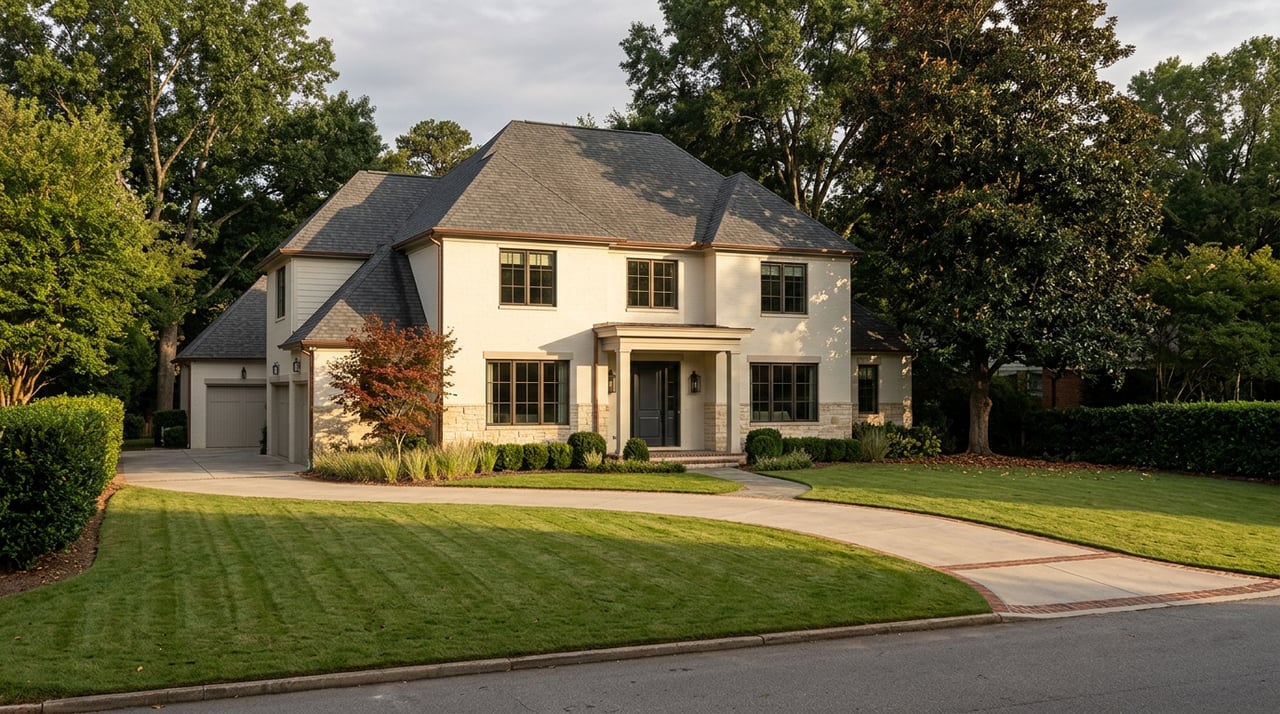
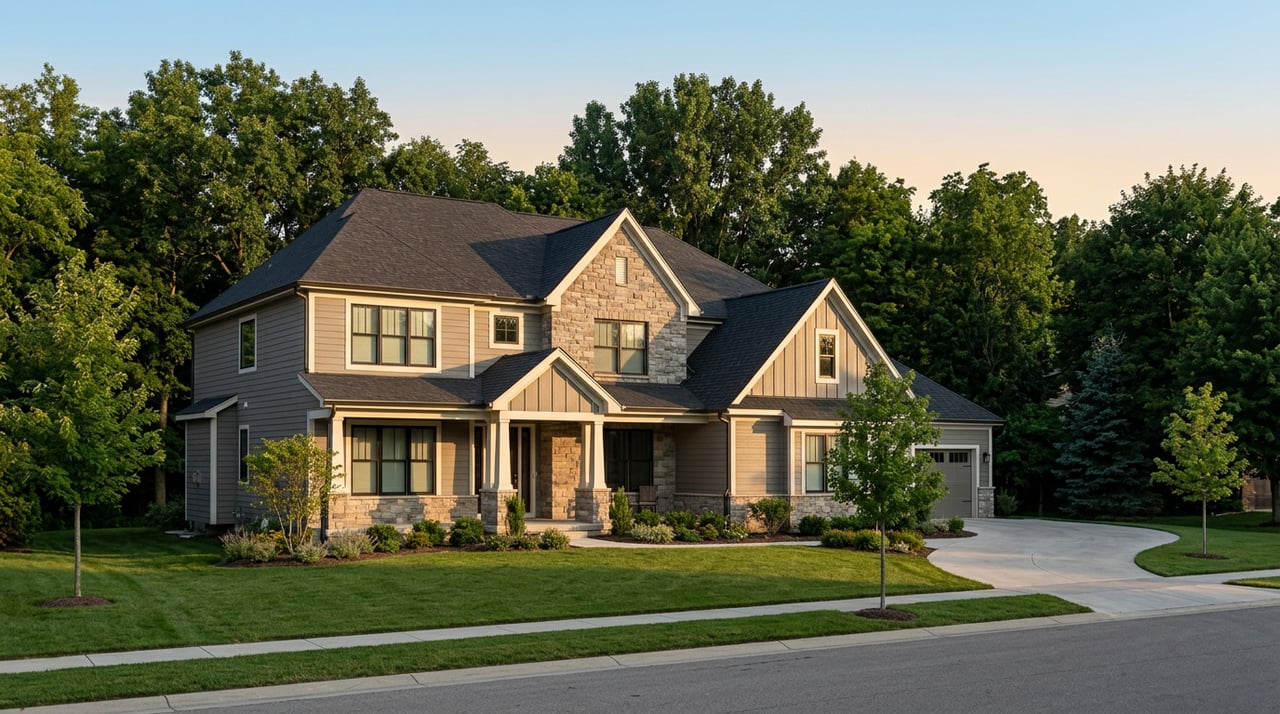
Sugar Hill remains mostly a detached-home market, even as downtown adds newer mixed-use options. According to the city housing study, 89% of the housing stock is detached single-family homes. Townhomes make up 4%, large multifamily 2%, small multifamily 1%, and trailer, RV, or boat housing 4%.
That housing mix helps explain why Sugar Hill often appeals to buyers who want more space and a traditional suburban feel. The same study found that most of the city’s single-family housing stock was built after 2000, which may be a plus if you prefer newer construction patterns and more modern layouts.
Downtown adds a newer residential layer
At the same time, downtown Sugar Hill has added more housing variety. The Local is a mixed-use development with just over 300 luxury apartments, and the city’s residences page also highlights Cadence and Holbrook. The downtown site says downtown Sugar Hill has doubled in size in five years.
For buyers and renters, that creates more choice in how you live near the city center. It also shows that Sugar Hill is evolving, with downtown becoming a more complete live-work-play environment rather than just an event district.
Pricing and ownership trends
Current Census data shows a market that is still owner-heavy and relatively expensive compared with many suburban areas. The median value of owner-occupied homes is $413,400, and median gross rent is $1,862. Combined with the 79.9% owner-occupied rate, those figures suggest a city where ownership remains a major part of the housing story.
If you are planning a move, this helps set expectations. Sugar Hill offers a strong lifestyle package, and the housing market reflects that demand.
Commuting in Sugar Hill
Sugar Hill functions as a road-connected suburb with a strong local core. The average commute to work is 33.2 minutes, and the city’s transportation pattern is shaped by Highway 20, Peachtree Industrial Boulevard, Buford Highway, and proximity to I-85 and I-985. Highway 20 is identified by the city as a major transportation spine and carries the highest number of trips on the city’s major roadways.
That means your experience here will likely center on driving, even with downtown amenities nearby. For many buyers, that is a familiar tradeoff: a more suburban setting with a growing downtown, plus regional access through major roads.
Road improvements are underway
The roadway picture is still evolving. In April 2026, the city reported that the Georgia Department of Transportation had begun widening Highway 20 from Buford Highway to Peachtree Industrial Boulevard and adding an enhanced sidewalk connection to the downtown greenway.
For residents, this points to continued investment in connectivity. Over time, those updates may improve traffic flow along a major route while making it easier to tie road improvements into the city’s growing trail and downtown network.
Who Sugar Hill may fit best
Sugar Hill can be a strong fit if you want a mostly single-family housing market with more personality than a typical suburb. It offers a concentrated downtown, a visible events calendar, useful parks and trails, and access to Lake Lanier. You also get a location in north Gwinnett with connections to the broader Metro Atlanta area.
If you are buying, the key is matching your home search to the lifestyle you want. Some buyers may prioritize closeness to downtown, while others may focus on newer single-family neighborhoods, outdoor access, or commuter convenience. Sugar Hill gives you a mix of those options in one city.
If you are selling in Sugar Hill, lifestyle storytelling matters. Buyers are not just shopping for square footage here. They are also responding to downtown energy, outdoor amenities, and the city’s growing identity, which makes strong pricing strategy and polished marketing especially important.
Whether you are buying your next home or preparing to sell in Sugar Hill, local strategy makes a difference. If you want thoughtful guidance, neighborhood insight, and a polished plan tailored to your goals, connect with Jamie Mock to get started.
FAQs
What is the lifestyle like in Sugar Hill, GA?
- Sugar Hill offers a suburban setting with an active downtown, year-round events, parks, trails, and close access to Lake Lanier.
What housing types are common in Sugar Hill?
- Detached single-family homes are the dominant housing type in Sugar Hill, making up 89% of the housing stock according to the city housing study.
What makes downtown Sugar Hill different?
- Downtown Sugar Hill brings together The Bowl, the E Center, Splash Park, the Eagle Theatre, dining, public art, and the SHINE District in one concentrated area.
Is Sugar Hill convenient for commuting?
- Sugar Hill is road-oriented, with major access through Highway 20, Peachtree Industrial Boulevard, Buford Highway, and nearby connections to I-85 and I-985.
How close is Sugar Hill to Lake Lanier?
- Sugar Hill is less than 10 miles from Lake Lanier, giving residents convenient access to a major regional recreation area.