If you want more land, more privacy, and a daily setting that feels calmer than a typical suburban subdivision, Milton often stands out right away. This is a city where estate lots, horse properties, and preserved green space shape everyday life, not just the marketing language. If you are trying to decide whether Milton fits your lifestyle, this guide will help you understand what living here really looks like. Let’s dive in.
Why Milton Feels Different
Milton was designed to keep a more rural, estate-oriented character than many nearby suburbs. The city has more than 41,000 residents spread across over 39 square miles, and it says roughly 85% of its land is agriculturally zoned. That zoning pattern helps explain why Milton feels more open and spacious than many small-lot markets.
The city also says residential lots in those areas must be at least 1 acre, and more than 90% of Milton is low or very low-density residential. For you as a buyer, that often translates into larger homesites, more distance between neighbors, and a setting that feels intentionally preserved. It is a different experience from denser suburban communities just a few minutes away.
Milton sits in north Fulton and borders Alpharetta, Roswell, Forsyth County, and Cherokee County. That location matters because you can enjoy a more tucked-away residential environment while still staying connected to the broader north Metro Atlanta area. In practical terms, you are not choosing isolation. You are choosing space.
Estate Living in Milton
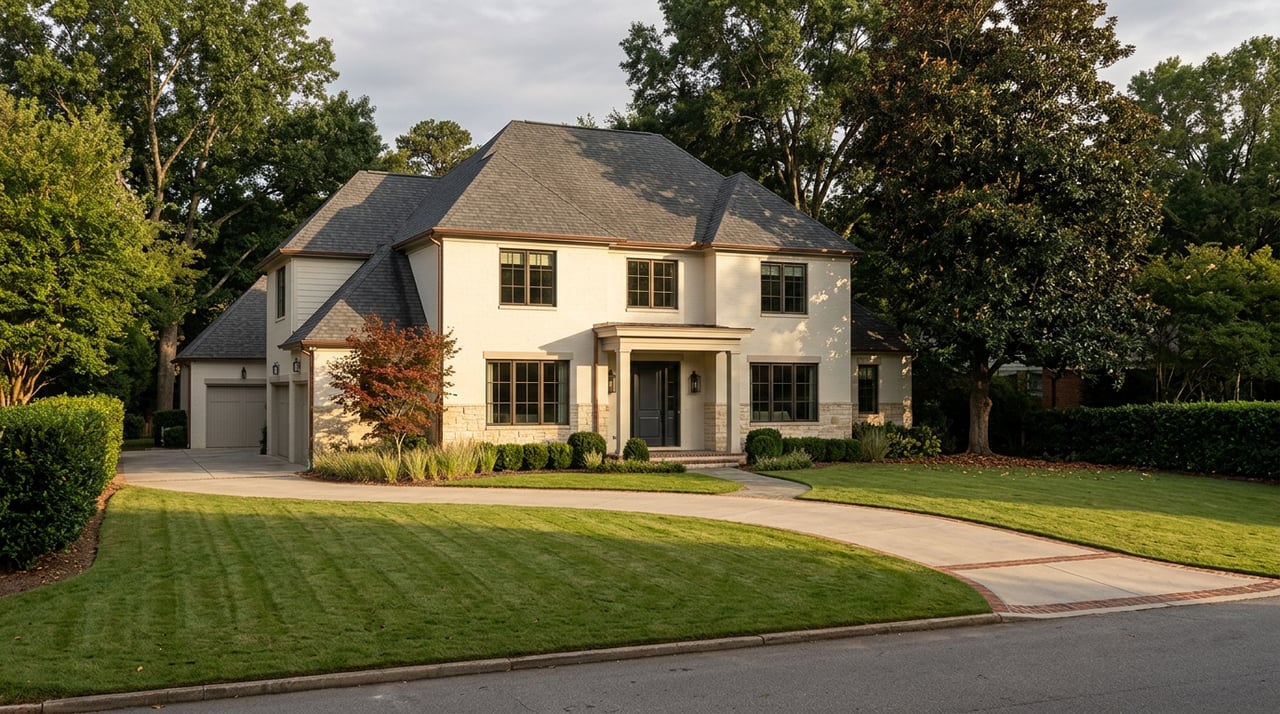
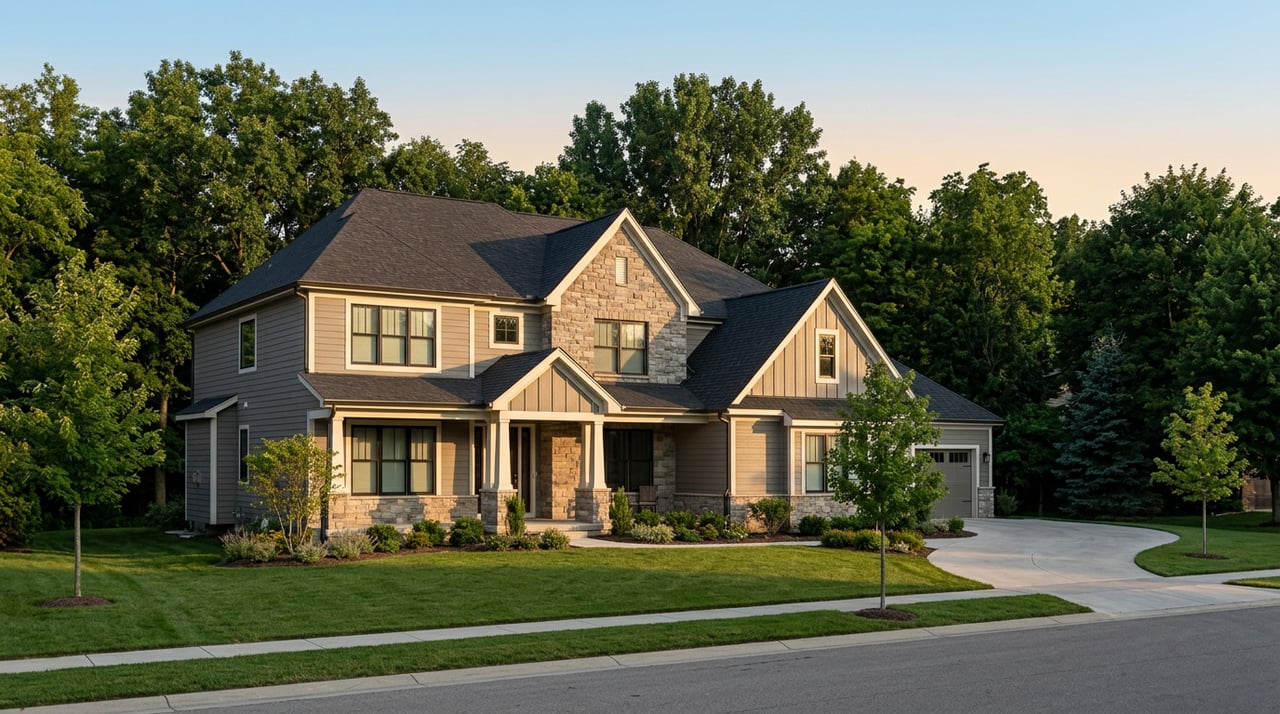
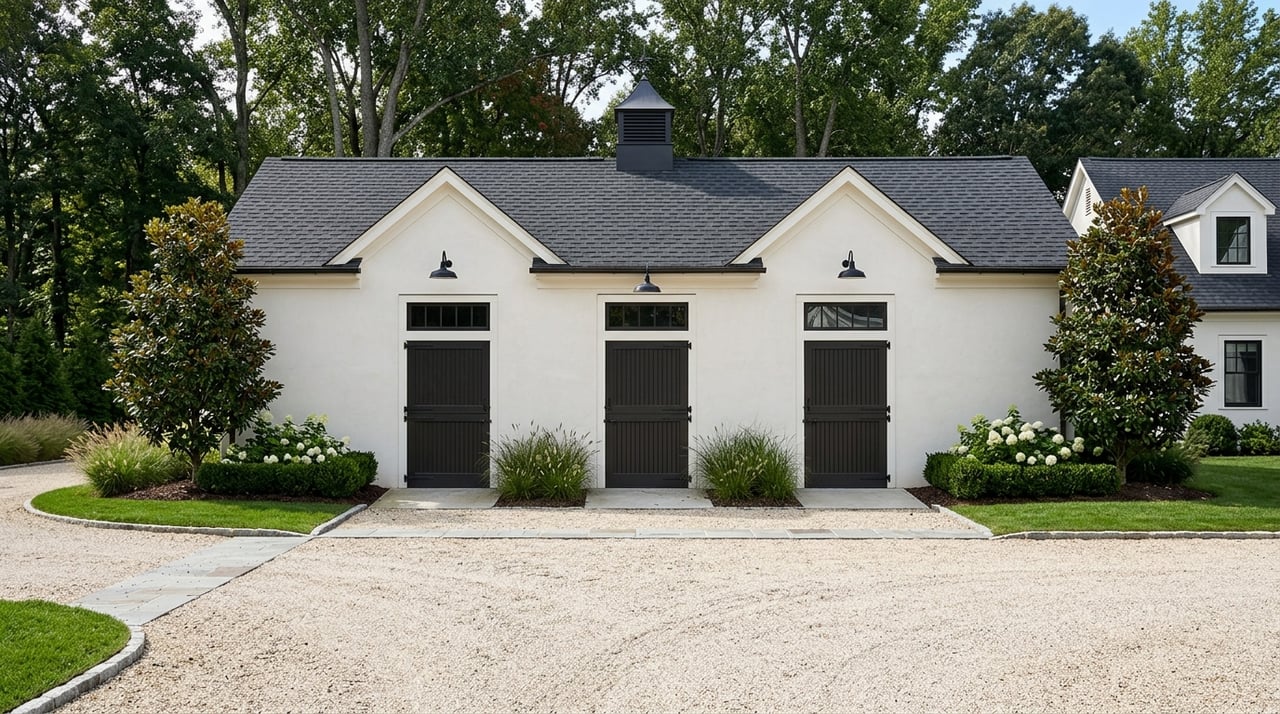
One of Milton’s biggest lifestyle draws is its estate-lot housing pattern. Because of the city’s land-use approach, many properties offer room for long driveways, outdoor living areas, pools, detached structures, and a greater sense of privacy. Not every home has those features, but the city’s planning framework makes them more common here than in a conventional subdivision market.
Milton uses urban growth boundaries and land conservation tools to preserve its rural landscape while guiding denser activity toward places like Crabapple and Deerfield. The city says this strategy is meant to let residents enjoy a rural lifestyle while still having access to urban amenities. That balance is a big reason Milton appeals to move-up buyers and relocation buyers looking for both breathing room and convenience.
From a real estate perspective, Milton often attracts buyers who value the setting as much as the house itself. The lot, the privacy, the tree cover, and the outdoor potential can all play a major role in your decision. If your goal is to find a home that feels more like a retreat while remaining close to everyday needs, Milton offers that kind of opportunity.
What Buyers Often Value Most
- Larger homesites
- More privacy between homes
- Room for outdoor amenities
- A quieter, lower-density setting
- Access to nearby shopping and services in surrounding areas
Horses Are Part of Milton’s Identity
In Milton, equestrian culture is not a niche feature. It is part of the city’s identity. The city has an Equestrian Committee and an official riding-facilities initiative, and its public materials describe horse farms, barns, and pastures as central to local life.
An important detail is that horse properties are not isolated in one single pocket of town. The city says they are dispersed across neighborhoods, which gives Milton a distinct feel. As you drive through different parts of the city, it is common to see open pasture, fencing, and equestrian-oriented properties woven into the broader residential landscape.
For you, that can mean a lifestyle that feels more connected to the land. Even if you are not looking for a horse property yourself, the equestrian presence helps shape the visual character of Milton. It reinforces the city’s open, rural, and estate-style atmosphere.
What to Know About Horse Property Potential
If you are specifically interested in a property that could support barn or horse use, Milton may offer more flexibility than a typical suburban market because of its larger lots, agricultural zoning patterns, and equestrian focus. Still, that does not mean every property is suitable for that use. Property-specific details always matter.
That is why local guidance is so important when you start narrowing your search. You want to look beyond square footage and finishes and understand how lot configuration, zoning, and existing improvements affect the way you can use the property.
Green Space Is a Daily Lifestyle Feature
Milton’s green space is not limited to a few scattered parks. It is a core part of how the city functions and how residents spend their time. The city maintains both active parks and passive preserves, with features that include trails, playgrounds, fishing areas, fields, and picnic spots.
One of the best-known examples is Milton City Park and Preserve. The city says it includes 7 acres of active property and 130 acres of passive property, along with a 2.5-mile loop trail through the preserve. For many residents, that kind of access adds real day-to-day value, whether you want a morning walk, a weekend outing, or a quiet natural setting close to home.
Lakhapani Preserve is another notable asset, with a 1.5-mile walking trail. Other local parks such as Bell Memorial, Birmingham, and Providence also offer walking trails or recreation features. If outdoor time is part of how you want to live, Milton gives you a strong range of options.
Why Green Space Matters in Milton
Milton’s preservation effort goes beyond parks alone. The city says its greenspace bond initiative has produced about 444.998 acres of acquisitions to date. It also uses a Greenprint to guide future land use while prioritizing conservation, wildlife, and natural resources.
That long-term planning helps protect the setting that draws many buyers to Milton in the first place. When you buy in a city that actively plans around conservation, the surrounding environment becomes part of the value story. It is not just about what your property looks like today. It is also about what the city is working to preserve over time.
Crabapple, Deerfield, and Daily Convenience
A common question about Milton is whether a more rural setting means sacrificing convenience. In most cases, the answer is no. Milton’s civic and commercial life is concentrated in key areas that help balance the city’s spacious residential pattern.
Crabapple is described by the city as the heart of Milton. It is home to City Hall, the library, and many schools, and it also hosts community events such as Crabapple Fest and Christmas in Crabapple. That gives the area an active civic presence and a recognizable town-center feel.
Deerfield serves as Milton’s chief commercial driver. The city’s Destination Deerfield plan is aimed at making that district more walkable, green, and connected. For residents, that means access to shopping, dining, and services without changing the overall low-density residential character found in much of the city.
Highway 9 is another major part of daily life. The city says Milton’s three-mile segment runs from the Alpharetta border at Windward Parkway to the Forsyth County line, and current improvements are intended to add pedestrian and bicycle facilities, better crossings, and other connectivity upgrades. That corridor helps keep Milton tied into Alpharetta and the broader north Fulton commercial network.
Commuting and Getting Around
Milton’s lifestyle often appeals to buyers who are willing to trade a little more drive time for more land and privacy. Census data shows a mean travel time to work of 28.0 minutes. That is a useful baseline, but your actual commute will depend heavily on where you work and when you travel.
This is still a car-oriented market, and it is smart to think through your most frequent routes before you buy. At the same time, Milton is adding to its transportation network in practical ways. The city’s planning notes a growing sidewalk network around Crabapple and Deerfield, along with trail connections in several parks.
For many buyers, the key tradeoff is straightforward. You may drive a bit more, but in return you gain more space, more greenery, and a lower-density setting. If that tradeoff matches your priorities, Milton can be a very compelling option.
Schools and Search Strategy
Milton is served by Fulton County Schools, and the city lists local public options including Birmingham Falls, Cogburn Woods, Crabapple Crossing, and Summit Hill elementary schools; Hopewell and Northwestern middle schools; and Cambridge and Milton high schools. The city also lists several private-school choices in the broader area.
If schools are part of your home search, it is important to verify school assignment by address. Boundaries can vary from one property to another, even within the same city. A home that looks right on paper still needs to fit the practical details that matter most to your household.
The broader point is that Milton offers a lifestyle many buyers are specifically seeking. You are often choosing between more land and a more preserved setting on one hand, and a shorter-distance, denser suburban pattern on the other. Your ideal fit depends on what matters most in daily life.
Who Milton Fits Best
Milton tends to make the most sense for buyers who want the home and the setting to work together. If you are drawn to estate lots, outdoor living, horse property potential, preserved green space, and a more rural visual character, Milton has a strong identity that is hard to replicate nearby.
It can also be a smart option if you want access to north Fulton amenities without living in the middle of a denser commercial environment. The city’s planning approach is part of what makes it distinctive. Milton is not trying to be everything to everyone. It is intentionally protecting a certain kind of lifestyle.
That is why a local, property-by-property approach matters here. In a market where lot shape, zoning context, surrounding land, and neighborhood feel can vary so much, the right guidance can help you quickly tell which homes truly fit your goals.
If you are exploring Milton or comparing it with Alpharetta, Roswell, or other north Metro Atlanta areas, Jamie Mock can help you narrow the options and find the right fit for your lifestyle, timeline, and priorities.
FAQs
What is the lifestyle like in Milton, GA?
- Milton offers a lower-density, estate-oriented lifestyle with larger lots, equestrian influence, and extensive green space, while still staying connected to nearby commercial areas such as Crabapple, Deerfield, and Highway 9.
Are homes in Milton, GA usually on large lots?
- Many homes in Milton are on larger lots because the city says much of its land is agriculturally zoned and residential lots in those areas must be at least 1 acre.
Is Milton, GA known for horse properties?
- Yes. The city identifies equestrian culture as a core part of local life, and horse farms, barns, and pastures are spread throughout the community rather than concentrated in only one area.
Does Milton, GA have parks and walking trails?
- Yes. Milton has active parks and passive preserves, including Milton City Park and Preserve with a 2.5-mile loop trail, plus other parks and preserves with walking trails and recreation features.
What are the main commercial areas in Milton, GA?
- Crabapple is considered the heart of Milton and Deerfield is the city’s main commercial driver, while Highway 9 serves as a key commercial corridor linking Milton with nearby north Fulton destinations.
How long is the average commute from Milton, GA?
- Census data reports a mean travel time to work of 28.0 minutes, though your actual commute will vary based on destination and traffic patterns.
How do I check school assignments for a home in Milton, GA?
- School assignment should be confirmed by the specific property address because attendance boundaries can differ from one home to another within Milton.